The European Union has voted to postpone implementing a key
antideforestation law for the second year in a row, citing
technical concerns. Critics of the move warn that a delay and
other proposed changes will further weaken the law.
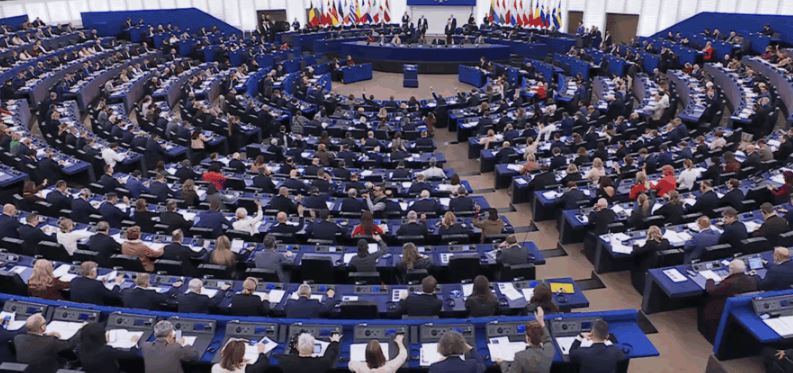
On Nov. 26, the European Parliament voted 402 to 250 in favor
of an amendment that delays a start date for the landmark
European Union Deforestation Regulation (EUDR) and introduces an
array of exemptions to the law. When the law goes into effect,
it will ban EU nations from importing goods like soy, beef,
cocoa and palm oil that come from areas deforested after 2020.
If the amendment is ratified, it will delay EUDR implementation
another year to Dec. 30, 2026, with an additional grace period
for small businesses through June 30, 2027. The EUDR was
originally set to take effect at the end of 2024, before being
pushed forward a year to December 2025.
“EU lawmakers are subjecting the EUDR to death by a thousand
cuts,” Nicole Polsterer, a campaigner at Netherlands-based
nonprofit Fern, told Mongabay by email. “The endless carousel of
attempts to revise and even destroy a law that was passed with a
large democratic mandate two years ago, are a farce.”
Along with the delay, European lawmakers also made a series of
changes to the original law.
Printed books and newspapers were removed from the scope of the
law, a move perceived to benefit the forestry industry.
Small operators that produce their own goods and are from
countries classified as “low risk” under the EUDR, which
includes EU nations, the U.S., China, Australia and Canada, will
be largely exempt.
Dozens of businesses and NGOs, including food conglomerate
Nestlé, published a joint letter on Nov. 17 saying a further
delay creates market uncertainty and instability. Conservation
NGO WWF called the move “a chaotic and unmanageable situation.”
The European Parliament also proposed a review window for the
law, which would allow politicians to make further changes over
the coming months.
“Worryingly, parliament has asked the EU Commission to undertake
a ‘simplification review’ of the law and come back with a report
by April 2026,” Fyfe Strachan, policy and communications lead at
Earthsight, an NGO, wrote in a statement. “This report could
trigger another round of amendments, compounding the legal
uncertainty created by today’s vote.”
According to Polsterer, companies that had prepared for the
law’s implementation in just over 30 days will now face extra
costs to adapt to additional changes.
The European Parliament’s proposed delays and revisions to the
EUDR will now go into informal negotiations between the EU’s
three branches of government. A final text will then be returned
to the parliament for ratification.
Source:
mongabay.com


