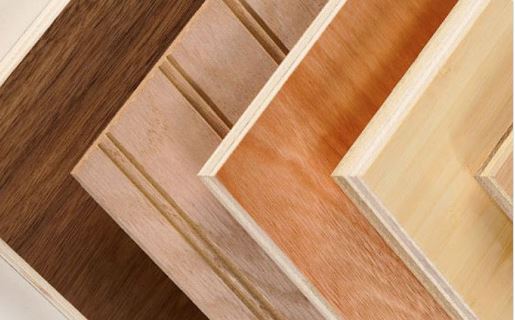
Tariffs are a hot topic in the hardwoods market, especially for
plywood and paneling. While prices are relatively stable,
customers are worried about an increase, which is having an
impact on order volume and purchase timelines, according to
suppliers interviewed by Woodshop News.
“We’re seeing a lot of anxiety because every vendor right now is
throwing a tariff notice on their products, stating tariff
prices could spike at any point and a tariff charge could be
charged at any time during the buying process. Everybody is on
edge. They’re expecting at least a 10 percent across the board
on everything, even if it’s domestic,” says Dave Norman, of
Parkerville Wood Products in Manchester, Conn.
“A lot of the plywood comes out of Canada, but some comes out of
Asia, and then Baltic birch. But anything coming out of Canada
has been a little bit of a concern because a lot of plywoods
move through there.”
Norman tells customers that at the moment, things are holding
stable with prices rising slightly. But pricing can’t be
guaranteed for more than seven days.
“Many jobs are bid weeks, if not months ahead of time, and the
seven-day price hold is not helping with jobs that were bid
quite a while ago.
“The other thing I’ve seen is that products are getting tied up
in containers, and people need to buy something local to keep
things rolling. There’s a lot of nonsense that happens with this
sort of thing. We got a load of hardwood about a month and a
half ago, and the paperwork on the tariffs that came with it was
like a book. So, there’s a lot of paperwork that can slow things
down as well,” says Norman.
Michael Johnsa of Suwanee Lumber in Suwanee, Ga., says that
since the April announcements of sweeping tariffs, consumers
have expected all the imports to go up, which has affected
pricing and costs to them and competitors in the region.
“In general, it’s not a huge change. It’s not a huge tax like a
lot of people were calling us and asking us about. But what that
has led to is that a lot of people are really bulking up their
inventories, especially on the import products, in expectancy of
those items getting higher in price probably within the next six
months. So, in the past month, we’ve sold probably 20 to 30
percent more than normal, which is good, but we are expecting
prices to continue to go up a little bit,” says Johnsa.
Source: woodshopnews.com


